Introduction
Kelly’s Assessment of the XTNG GEN3+ in the Idaho Highlands
Details
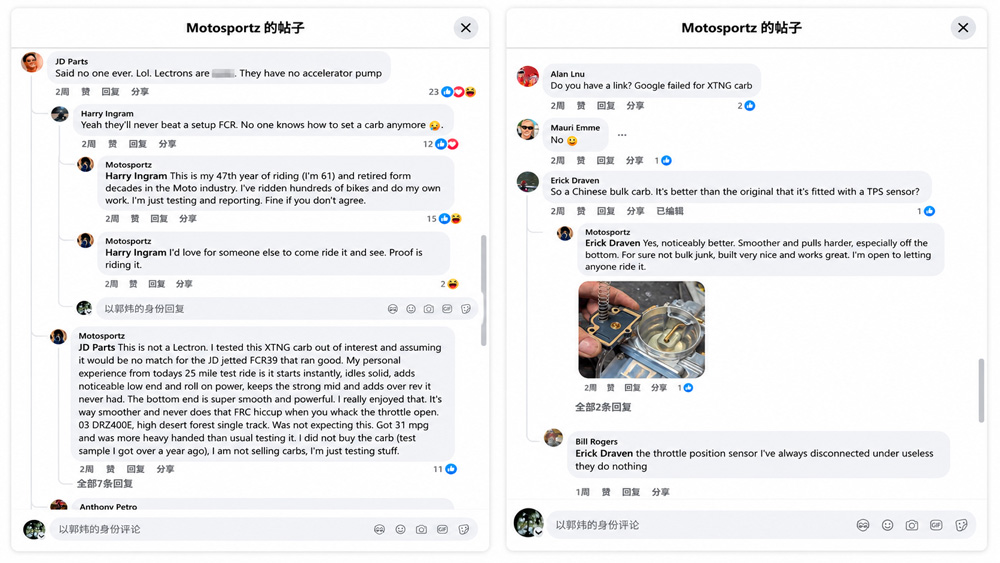
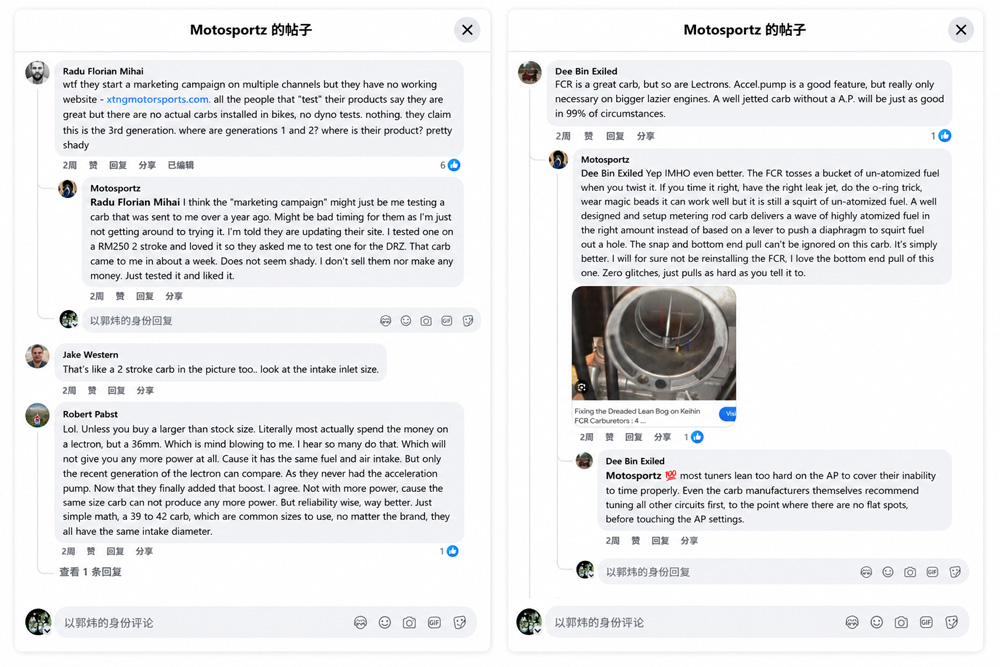
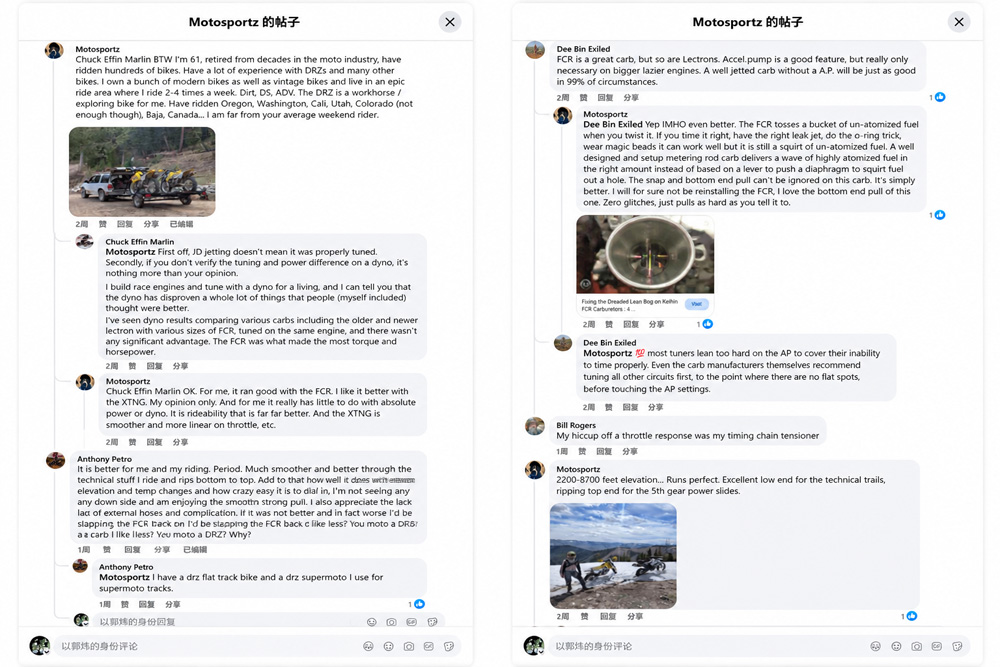
Few individuals in the off-road motorcycle industry have accumulated as much real-world carburetor experience as Kelly.Long before metering-rod carburetors became familiar to many riders, Kelly was already deeply involved in their development. During Lectron’s early expansion into the off-road motorcycle market, he was responsible for the development and testing of the company’s enduro and woods-riding product line.Many riders may still remember the well-known M-series metering rods, particularly the famous 4-2M and 3-2M rods used in the H-series Lectron carburetors. These rods earned an excellent reputation among off-road riders for their smooth power delivery and outstanding rideability, and Kelly was one of the key contributors behind their development.For that reason, we have always held great respect for Kelly’s experience and his contributions to the metering-rod carburetor industry.Approximately one year ago, we had the opportunity to establish contact with Kelly and provided him with an XTNG GEN3+ carburetor for testing on his 1985 Suzuki RM250.The results were extremely positive.The carburetor delivered excellent throttle response, smooth power delivery, and reliable operation throughout extended riding sessions. Following the success of the RM250 evaluation, we later supplied Kelly with an XTNG carburetor specifically configured for the Suzuki DRZ400.
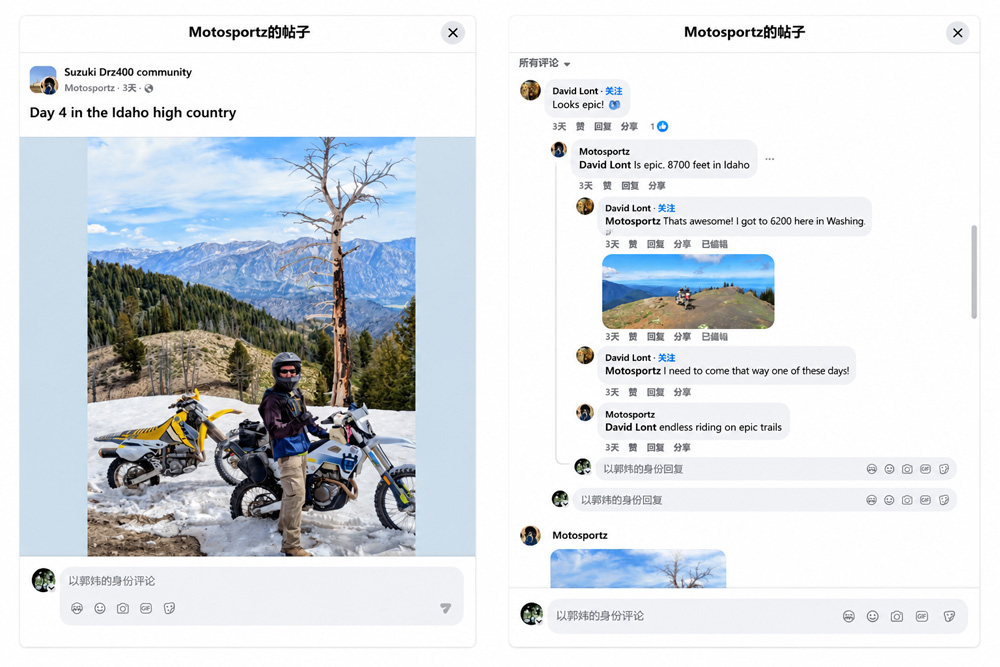
As the designers of the product, we were already familiar with the performance potential of the GEN3+ system on the DRZ400 platform. However, engineering data and controlled testing only tell part of the story. What truly matters is how a product performs in the hands of an experienced rider under real-world conditions.Kelly subjected the carburetor to extensive field testing.Over the following months, he accumulated significant riding time and continuously provided our engineering team with setup data, performance observations, and detailed riding feedback.The most significant evaluation came during a long-distance adventure ride through the Idaho highlands.During this multi-day journey, the DRZ400 equipped with the XTNG GEN3+ carburetor operated across elevations ranging from approximately 2,500 feet to over 8,700 feet. The route included technical single-track trails, mountain terrain, forest trails, steep climbs, and extended backcountry riding sections.Throughout the entire trip, the carburetor maintained consistent performance despite substantial elevation changes.Kelly’s feedback repeatedly highlighted several key characteristics:* Smooth and highly controllable power delivery* Noticeably stronger low-end and roll-on torque* Excellent throttle response under load* Consistent fueling performance across large elevation changes* Strong top-end power while maintaining excellent low-speed control* Simple and straightforward tuning* Reliable operation during long-duration ridingAn interesting aspect of the discussion within the DRZ400 community involved comparisons with the widely respected Keihin FCR carburetor.Many riders pointed out that the FCR remains one of the most respected performance carburetors ever produced. Kelly himself acknowledged that his previous FCR setup was properly tuned and performed extremely well.However, after extensive back-to-back riding, he repeatedly noted that the DRZ400 equipped with the XTNG carburetor felt smoother in technical terrain, responded more quickly, was easier to control, and ultimately delivered a more enjoyable riding experience overall.His conclusion was simple:The motorcycle performed better for the type of riding he actually does.More importantly, these observations were not formed during a short test ride or in a parking lot. They came from a rider with decades of experience, thousands of miles of off-road riding, and a deep background in carburetor development and evaluation.For us, the value of this assessment extends far beyond any dyno chart or performance number.It represents validation from an experienced rider—someone who understands what to feel for, what to evaluate, and what truly matters when riding in demanding real-world conditions.The design objective of the XTNG GEN3+ has always been clear:To combine the simplicity of a metering-rod fuel system with the adaptability, controllability, and performance demanded by modern off-road riders.Based on Kelly’s long-distance testing in the Idaho highlands, that objective has been successfully achieved.We would like to thank Kelly for the countless hours of testing, feedback, and technical discussions he contributed throughout this project.The journey continues.